






News & Stories
2026
News
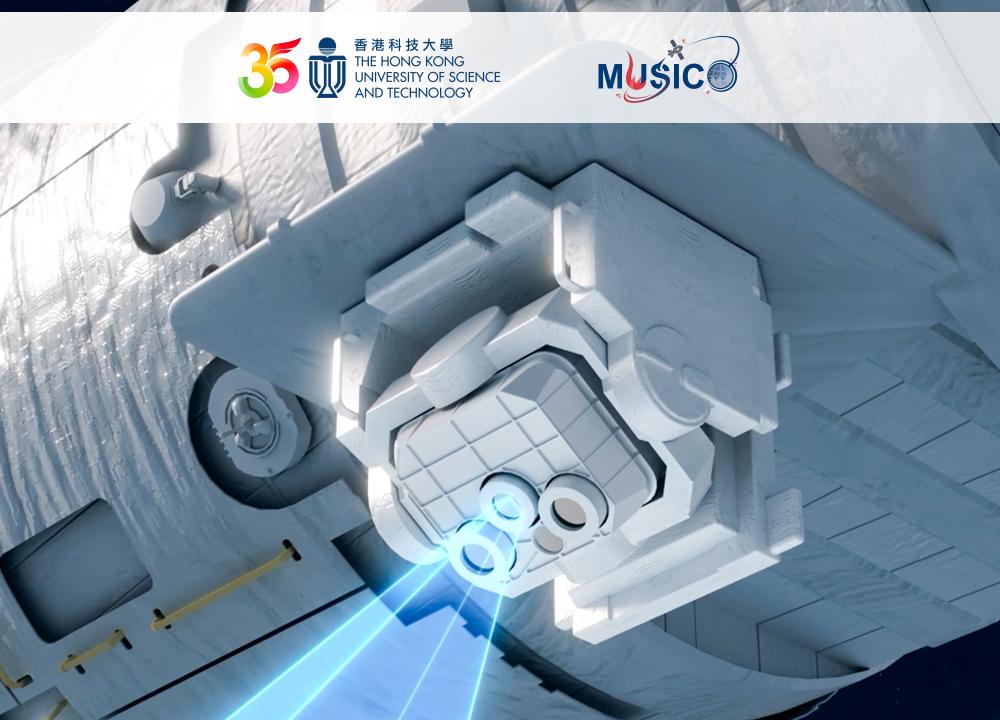
HKUST‑Developed MUSICO Begins In‑Orbit Operations on the Tiangong Space Station (Chinese Version Only)
香港科技大學(科大)牽頭研製的全球首款輕小型、高分辨率、高精度二氧化碳(CO₂)與甲烷(CH₄)點源協同探測儀「天韻相機」(MUSICO)日前由香港首位載荷專家黎家盈博士及另外兩位航天員在軌組裝檢測,並成功安裝於中國「天宮」太空站外指定載荷掛點位置,正式投入運作。儀器將於未來兩年或更長時間提供自主、可控且具高精準度的二氧化碳與甲烷排放監測數據。相關成果將與政府部門及科研機構共享,為應對氣候變化及推動全球可持續發展作出貢獻。 「天韻相機」項目三位負責人包括科大土木及環境工程學系講座教授蘇慧教授、土木及環境工程學系系主任兼講座教授張利民教授,以及新興跨學科領域學部副教授翟成興教授日前遠赴北京,全程觀察儀器在軌安裝過程,並參與現場關鍵節點決策和數據分析評估工作。現時,天韻相機配備的四個分別用於探測二氧化碳、甲烷、氧氣及氣溶膠的感應器均能成功拍攝影像,成像質量清晰,整體運作表現良好。團隊接著會進行在軌測試,界定數據精度,預計在兩至三個月後開啟常規運行。 蘇慧教授對儀器在太空站順利完成安裝並正式投入運作表示欣喜,並指出:「這對整個團隊而言,是一項重要的階段性成果。太空站以每秒7.7公里的速度環繞地球飛行,較地面高速鐵路快近百倍;要在如此高速運動的狀態下捕捉清晰而精準的影像,難度相當高。現時儀器運作正常穩定,對整個科研團隊是一大鼓舞,亦充分反映香港具備研製高端航天科研載荷的實力,有能力承擔國家太空站的長期科學任務。」
News
HKUST researchers reveal the pathogenesis of a rare respiratory disease through super-resolution microscopy
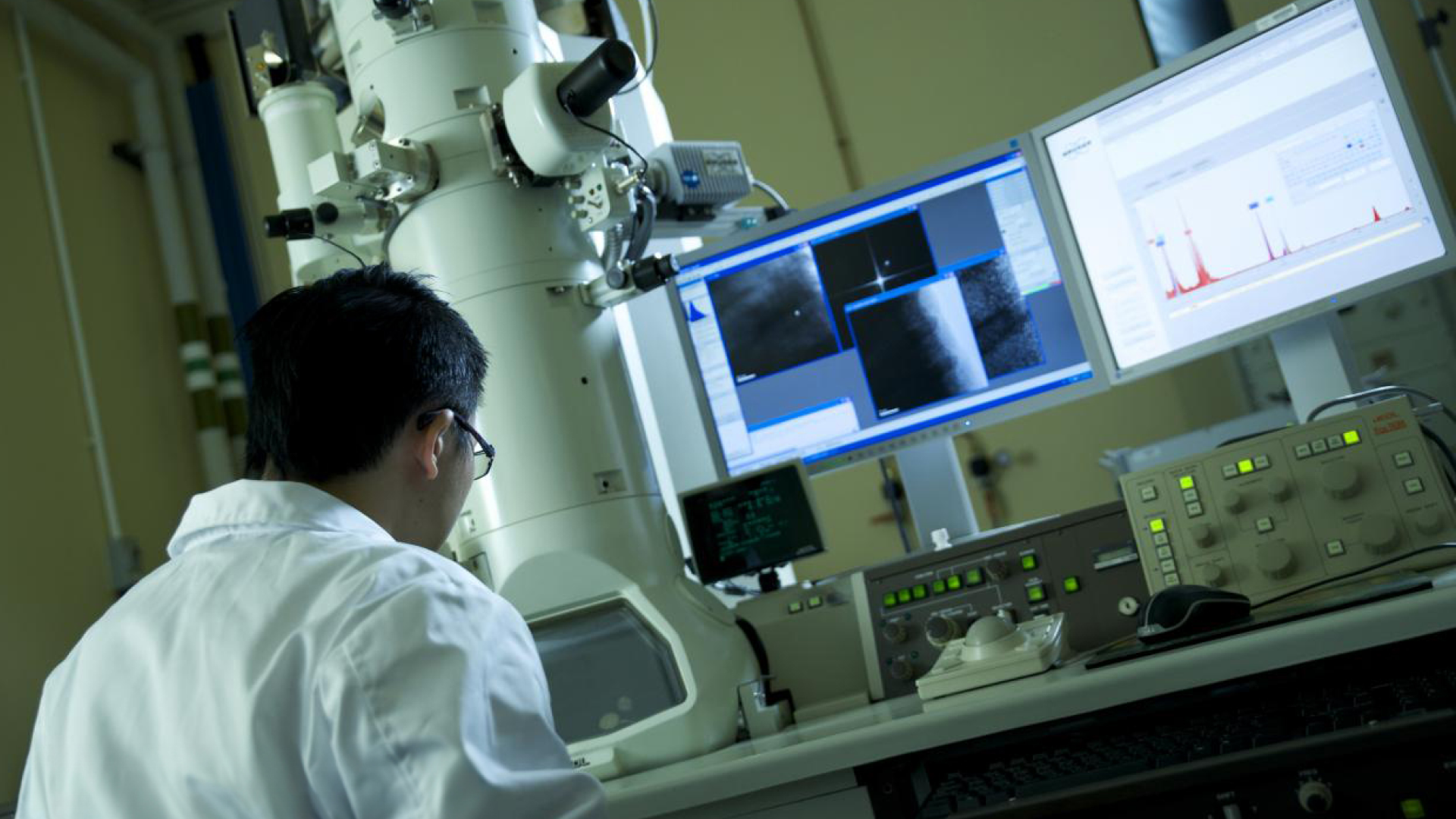
Researchers at The Hong Kong University of Science and Technology (HKUST) have uncovered how mutations in a specific gene can trigger a rare respiratory disease, shedding light on the critical role played by cellular structures known as cilia. Cilia are tiny and hair-like organelles extruding from the surface of most cell types, serving either sensory or motile functions. In the eyes, photoreceptor cells possess sensory cilia that are important for vision. Meanwhile, motile cilia align along the surface of the respiratory tract and function in airway clearance of mucus and inhaled pathogens.

Stories
Exceptional Team Effort Secures Record-breaking Wins at Geneva Invention Expo
United by a drive to innovate, all 62 teams from HKUST and HKUST (Guangzhou) won awards at the 51st International Exhibition of Inventions Geneva between March 11 and 15.Between them, the 36 teams from HKUST and 26 teams from HKUST (GZ) brought home 13 Gold Medals with Congratulations of the Jury, 20 Gold Medals, 20 Silver Medals, and nine Bronze Medals.This outstanding achievement by the HKUST entrants represented the highest number of awards among all higher education institutions in Hong Kong.Such a milestone emphasizes the remarkable spirit of cooperation between the two institutions, spotlighting HKUST’s deepening commitment to cross-border partnerships that boost social and economic development within the region.

Stories
The Future of Robotics Unleashed at 35th Anniversary Launch
Under the glow of HKUST’s 35th anniversary lights, audiences watched robot dogs deliver ceremonial 'miracle’ balls, humanoid robots greet guests, and drones soar above the Jockey Club Atrium.Amid this display of technological wizardry, the launch ceremony for the 35th anniversary was transformed into a living stage that vividly embodied HKUST’s enduring spirit of innovation.Each state-of-the-art machine told a story of discovery, mentorship, and entrepreneurship brought to life—a fitting symbol for HKUST’s year-long anniversary celebrations and its belief that the seemingly impossible can be made possible.
Stories
Unveiling the Secrets of RNA Silencing
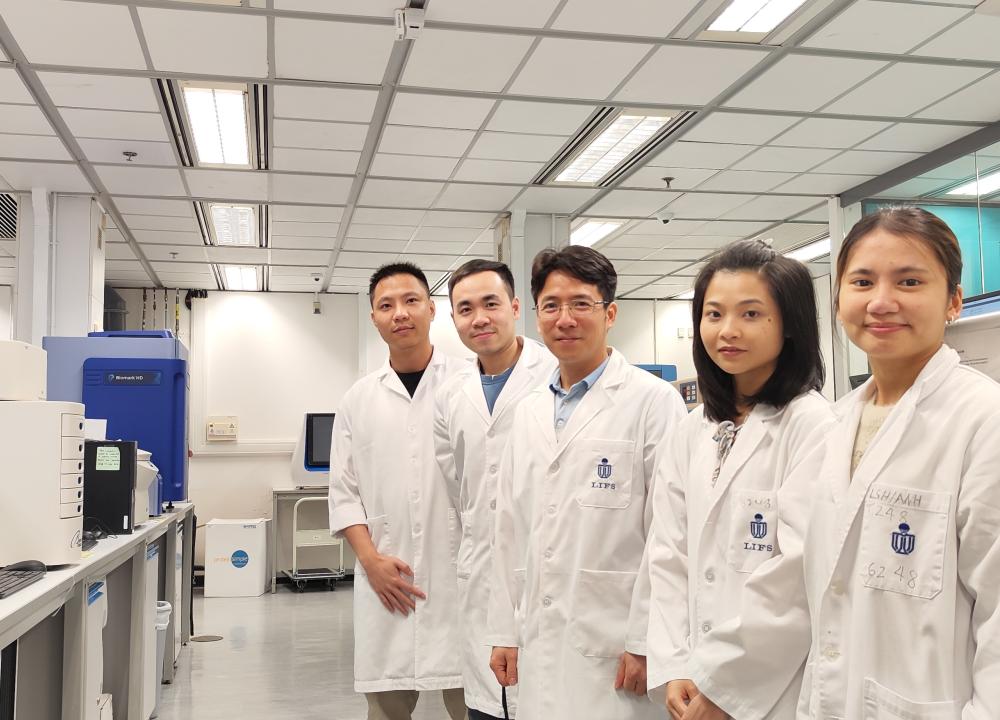
Boundless: What recent discovery has the HKUST research team made regarding the human enzyme DICER?Prof. Nguyen: Our discovery is genuinely groundbreaking. We found that the enzyme DICER, which is crucial for gene silencing, possesses a "dual-pocket" mechanism for measuring RNA. This is significant because it changes our understanding of how DICER interacts with RNA strands.Boundless: What exactly is “gene silencing”?Prof. Nguyen: Good question. Gene silencing means reducing or eliminating the expression of a specific gene. This process may occur naturally in cells or be induced artificially. Gene silencing is used to prevent the production of proteins from a targeted gene. This technique helps researchers study the function of a gene, investigate disease mechanisms, and develop gene-based therapies.
News
HKUST Researchers Develop Pioneering Organocatalytic Strategy for Chiral Sulfinamides with Antiviral Potential
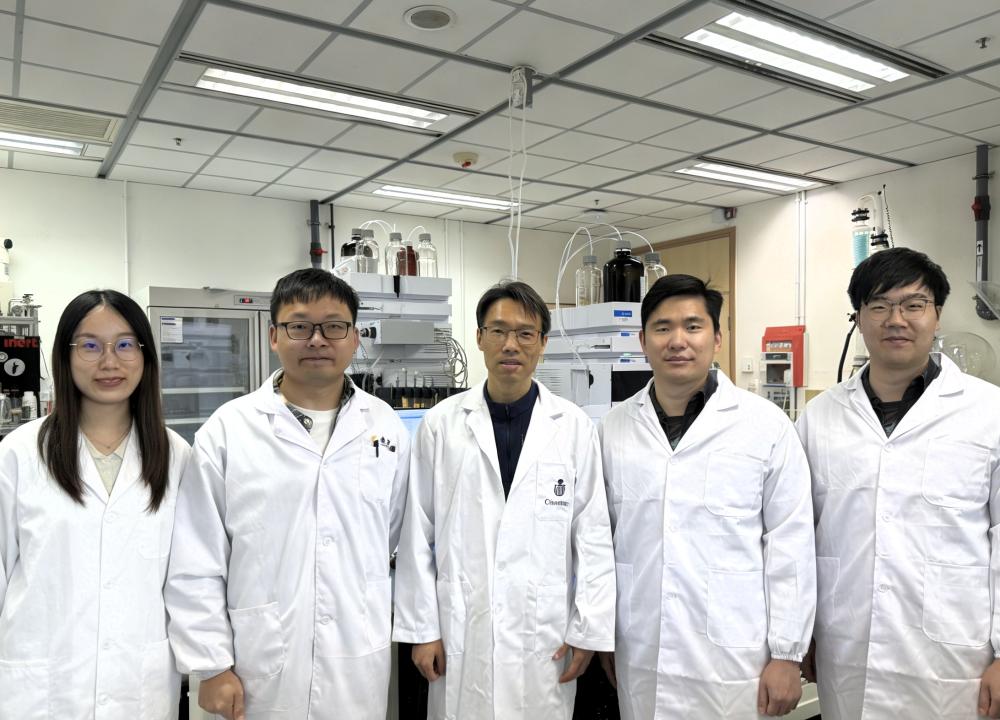
A research team led by Prof. SUN Jianwei, Chair Professor of the Department of Chemistry and Director of the Hong Kong Branch of Chinese National Engineering Research Centre for Tissue Restoration and Reconstruction at The Hong Kong University of Science and Technology (HKUST), has achieved a groundbreaking advance in organic synthesis and medicinal chemistry. The team has developed an air-stable chiral phosphine-catalyzed enantioselective approach to synthesize enantioenriched S(IV)-stereogenic vinyl sulfinamides—an under-explored class of organosulfur compounds with promising antiviral activity.
News
HKUST Researchers Achieve Breakthrough in RNA Silencing Mechanism
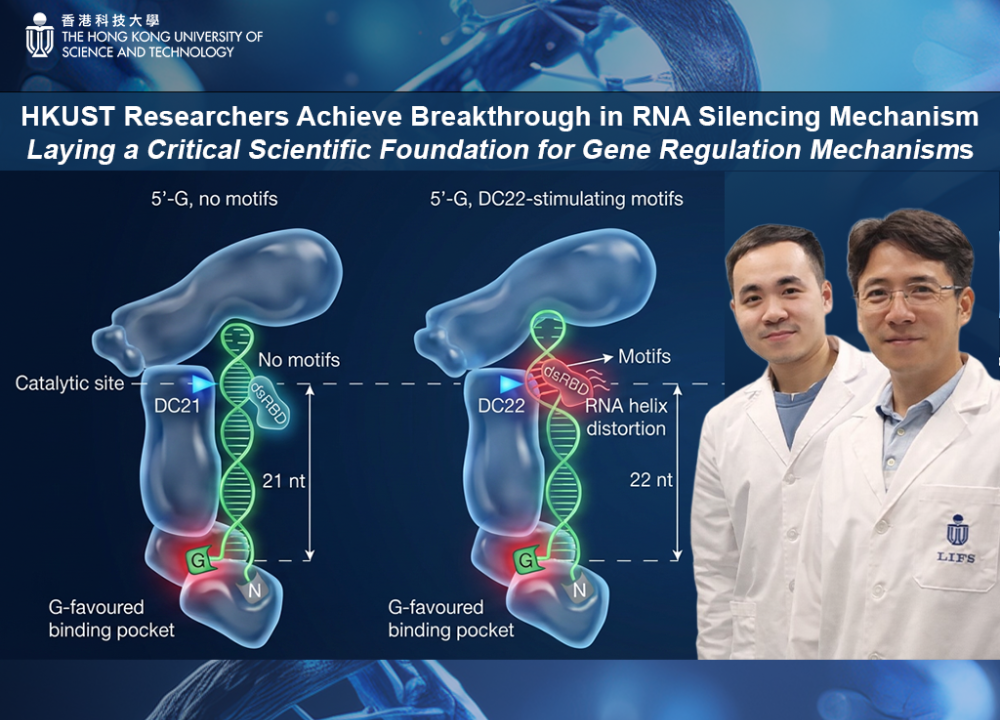
A research team from The Hong Kong University of Science and Technology (HKUST) has made a breakthrough discovery in understanding the molecular machinery of RNA silencing. The team uncovered how the human enzyme DICER achieves highly precise processing of microRNAs (miRNAs), advancing gene regulation research and offering new insights into the mechanisms underlying cancer, immune disorders, and genetic diseases.
News
HKUST Develops First AI Toolkit “GrainBot” to Automate Quantitative Microstructure Analysis
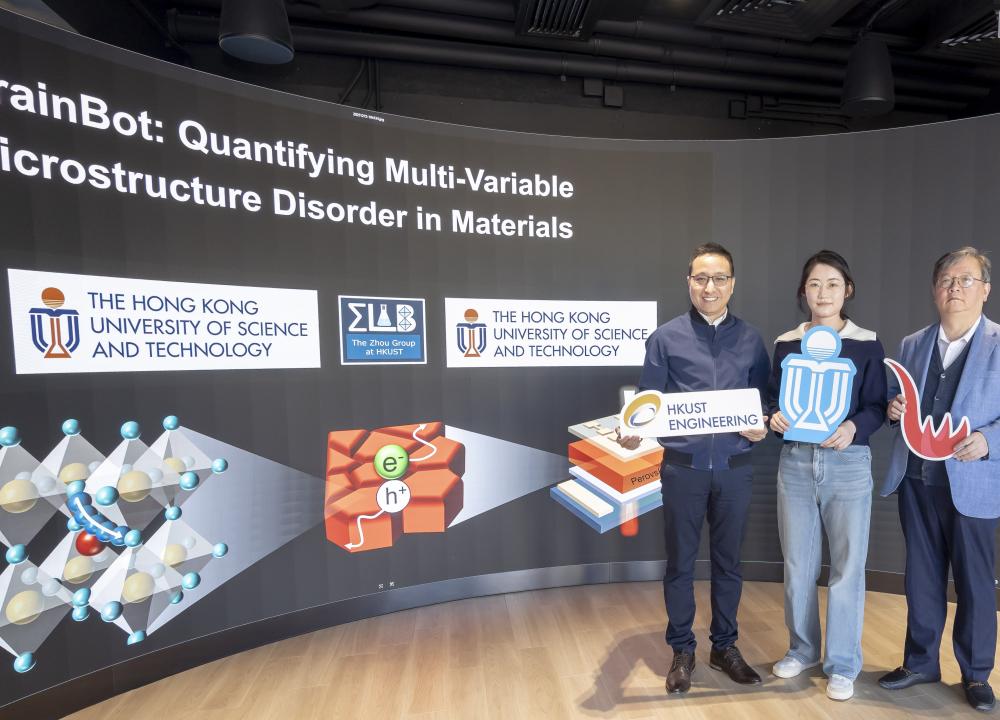
A research team from The Hong Kong University of Science and Technology (HKUST) has developed GrainBot, an AI-enabled toolkit that automatically extracts and quantifies multiple microstructural features from microscopy images. Designed to meet the growing need for data-driven and autonomous research workflows in materials science, the tool provides a systematic method for converting complex image information into quantitative data, thereby accelerating the discovery and development of next-generation materials.